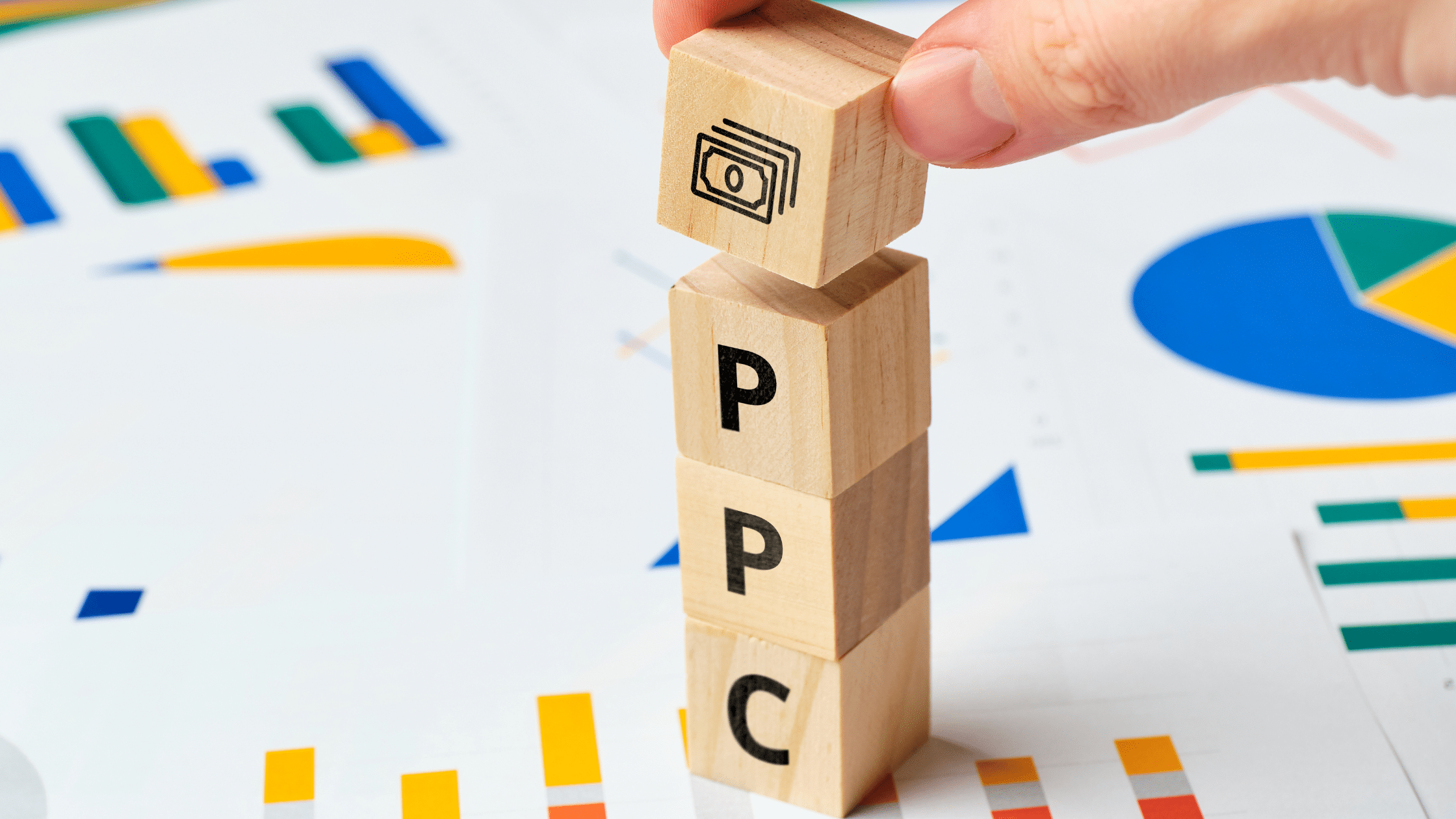
Pay-per-click advertising in Raleigh is more competitive than it was five years ago. The Research Triangle’s business growth has brought more companies bidding on the same keywords, which drives up costs and narrows the margin for error on campaign setup and management.
That’s not a reason to avoid paid media. It’s a reason to run it better than your competitors do.
Effective PPC management in Raleigh turns a chaotic, expensive guessing game into a predictable, scalable lead generation channel. This article explains what that actually looks like in practice, where most campaigns fail, and what GO Media does differently for Triangle-area clients.
What Makes Raleigh PPC Different From Generic Campaign Management
National PPC playbooks often underperform in regional markets. A strategy built for volume across 50 states doesn’t account for the specific competitive landscape in Wake and Durham counties, the seasonal buying patterns of Triangle businesses, or the local terminology and neighborhoods that Raleigh buyers actually use when they search.
Here’s a real-world example. A dental practice in Raleigh bidding on “dentist near me” competes with national dental chains that have enormous budgets and aggressive automated bidding. The same practice bidding on “sedation dentist North Raleigh” or “dental implants Cary NC” faces a completely different competitive picture, often with lower costs-per-click and higher intent signals from the searcher.
This type of granular keyword strategy is the difference between a campaign that generates leads and one that generates only invoices. According to WordStream’s 2024 industry benchmarks, the average cost-per-lead for healthcare PPC in the Southeast runs $87. Well-structured local campaigns targeting specific services and neighborhoods routinely cut that figure by 30 to 40 percent.
The Structure of a High-Performing Raleigh PPC Campaign
Good campaign architecture matters more than most clients realize. Here’s what a properly structured campaign looks like:
Keyword mapping by intent. Not all keywords are equal. Someone searching “how much do braces cost in Raleigh” is researching. Someone searching “Raleigh orthodontist appointment” is buying. These two searchers need different ads, different landing pages, and different bids. Mixing them into the same ad group wastes money on the researchers and underserves the buyers.
Negative keyword hygiene. Every PPC account should have an extensive negative keyword list that prevents ads from showing for irrelevant searches. A plumbing company in Raleigh doesn’t want their ads showing for “DIY pipe repair” or “plumbing supply store.” Without regular negative keyword audits, up to 30 percent of spend can go to clicks that would never convert.
Ad copy that earns the click. Google Ads is an auction, but it’s not just about the highest bid. Quality Score, which Google calculates based on expected click-through rate, ad relevance, and landing page experience, affects both where your ad appears and what you pay per click. Strong ad copy that speaks directly to what the Raleigh searcher wants earns higher Quality Scores and lower CPCs.
Landing pages built for conversion. Sending PPC traffic to your homepage is one of the most common and most expensive mistakes in paid media. Each campaign should have a dedicated landing page that matches the ad’s promise, answers the searcher’s specific question, and presents one clear path to conversion. GO Media builds and tests landing pages as part of PPC management, not as an add-on service.
Google Ads vs. Microsoft Ads: Which Matters for Raleigh Businesses
Google dominates search volume in the Triangle, but Microsoft Ads (Bing) deserves attention in specific contexts. Bing holds roughly 6% of the US search market, but its user base skews older and higher-income. For Raleigh businesses selling premium services, financial products, or B2B solutions, Bing often delivers a lower cost-per-lead because fewer competitors run campaigns there.
For most local consumer businesses in Raleigh, Google Ads is the primary channel. For professional services, real estate, financial planning, and B2B tech companies, running both platforms and comparing performance data quarterly makes financial sense.
Remarketing: Converting the Traffic You’ve Already Paid For
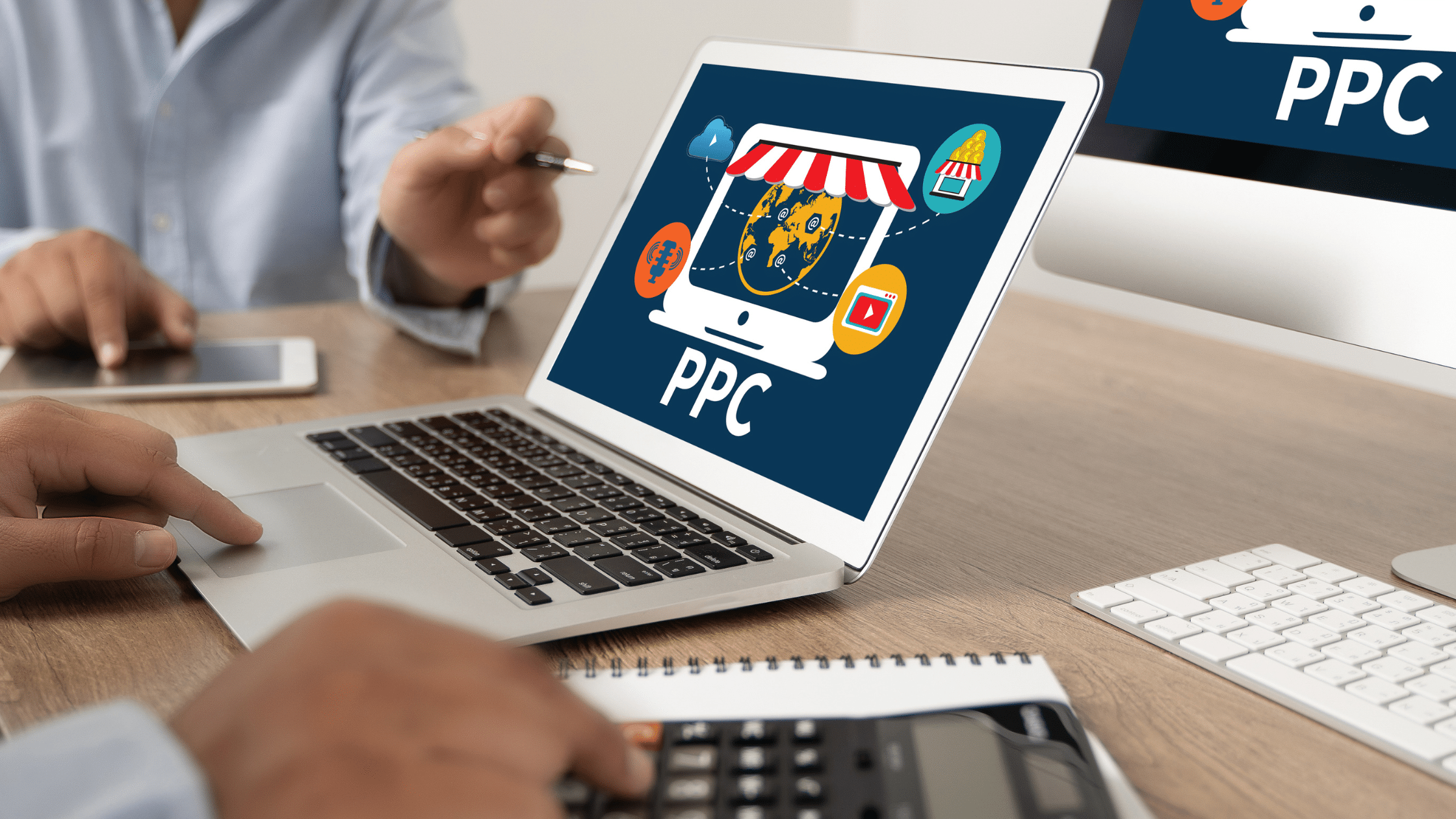
Most PPC programs stop at the first click. That’s a waste of the awareness you’ve already bought.
Remarketing campaigns show your ads to people who have already visited your site, which are people who expressed enough interest to click through and then didn’t convert. Conversion rates for remarketing are typically 2 to 5 times higher than cold traffic, according to 2024 data from Google Ads benchmarks. The cost-per-click is also lower because you’re bidding on a warmer audience.
For Raleigh businesses, remarketing works especially well in service categories with longer decision windows: orthodontics, financial planning, home renovation, and legal services all benefit from staying visible during the two to six weeks buyers typically take to make a decision.
GO Media runs remarketing as a standard component of PPC management for our Raleigh clients, with segmented audiences based on which pages visitors viewed and how far they got in the conversion process.
Tracking: The Part Most Agencies Get Wrong
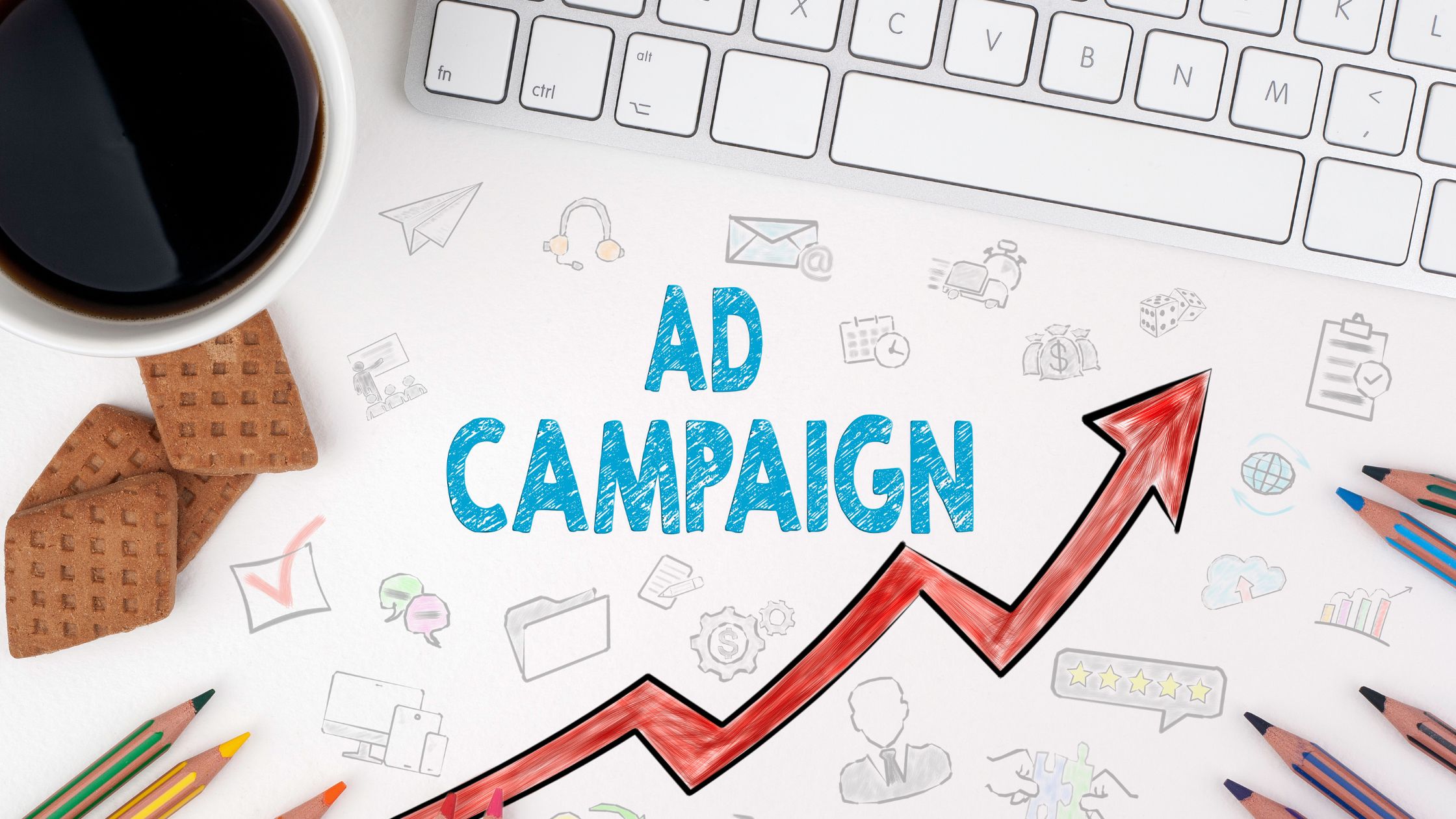
You can’t manage what you can’t measure. Surprisingly, a large percentage of PPC accounts run without proper conversion tracking. Campaigns optimize toward clicks rather than toward the actual business outcomes: phone calls, form submissions, appointment bookings, or purchases.
A properly configured Google Ads account tracks every conversion event and assigns a value to it. Call tracking connects phone calls back to specific keywords and ads. CRM integration closes the loop between an online click and an offline sale. Without this infrastructure, you’re flying blind on what’s actually producing revenue.
GO Media’s PPC onboarding includes a full tracking audit and setup. If conversion events aren’t firing correctly, or if the existing setup is attributing revenue to the wrong campaigns, we fix that before we start optimizing for results.
What GO Media PPC Management Includes
For Raleigh businesses working with GO Media on paid search, the program covers keyword research and mapping, campaign and ad group architecture, ad copy creation and testing, negative keyword management, landing page development, conversion tracking setup and auditing, remarketing audiences, monthly performance reporting, and ongoing bid management.
Reporting is built around metrics that connect to revenue: cost per lead, lead volume, and cost per acquisition, not just impressions and click-through rate. We meet with clients monthly to review performance, discuss what’s working, and make strategic adjustments based on real data.
PPC management in Raleigh done at this level isn’t cheap. But the businesses investing in it are the ones growing their lead volume quarter over quarter in a market where their competitors are still guessing.
How Long Before PPC Produces Results?
This is the question every client asks, and the honest answer depends on the starting point. For campaigns built from scratch with proper architecture, most Raleigh clients see meaningful lead volume within 30 to 60 days. For campaigns inherited from a previous agency with years of accumulated waste and poor structure, the first 30 days often involves auditing and rebuilding before optimization can begin.
The metric to track in the first 60 days isn’t cost-per-click. It’s cost-per-lead. Once you know what a lead costs in your market, you can model the economics of scaling and make intelligent decisions about budget allocation.
The businesses that get the most from PPC in Raleigh are the ones willing to invest in the infrastructure upfront: good tracking, proper campaign structure, dedicated landing pages. They may spend slightly more in month one. By month four, their cost-per-lead is typically 30 to 40 percent lower than where they started.
That math is what makes PPC management in Raleigh a long-term asset rather than a short-term expense.